Upper education level Azerbaijani and Russian section

Our curriculum
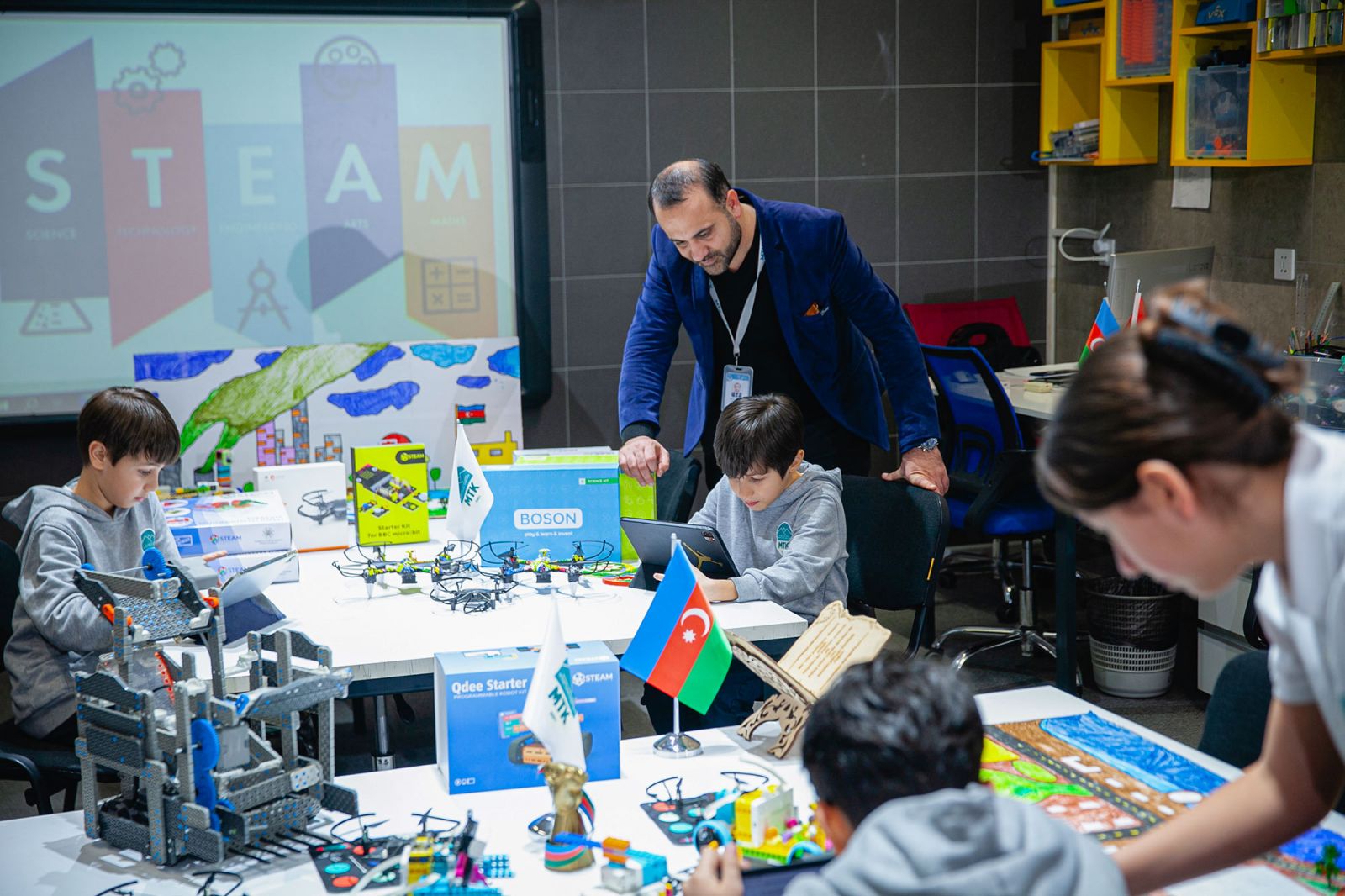
Education at High School is based on a blend of traditional and modern teaching; collaborative learning, tactile and kinaesthetic learning and frequent opportunities to use technology as a learning aid.
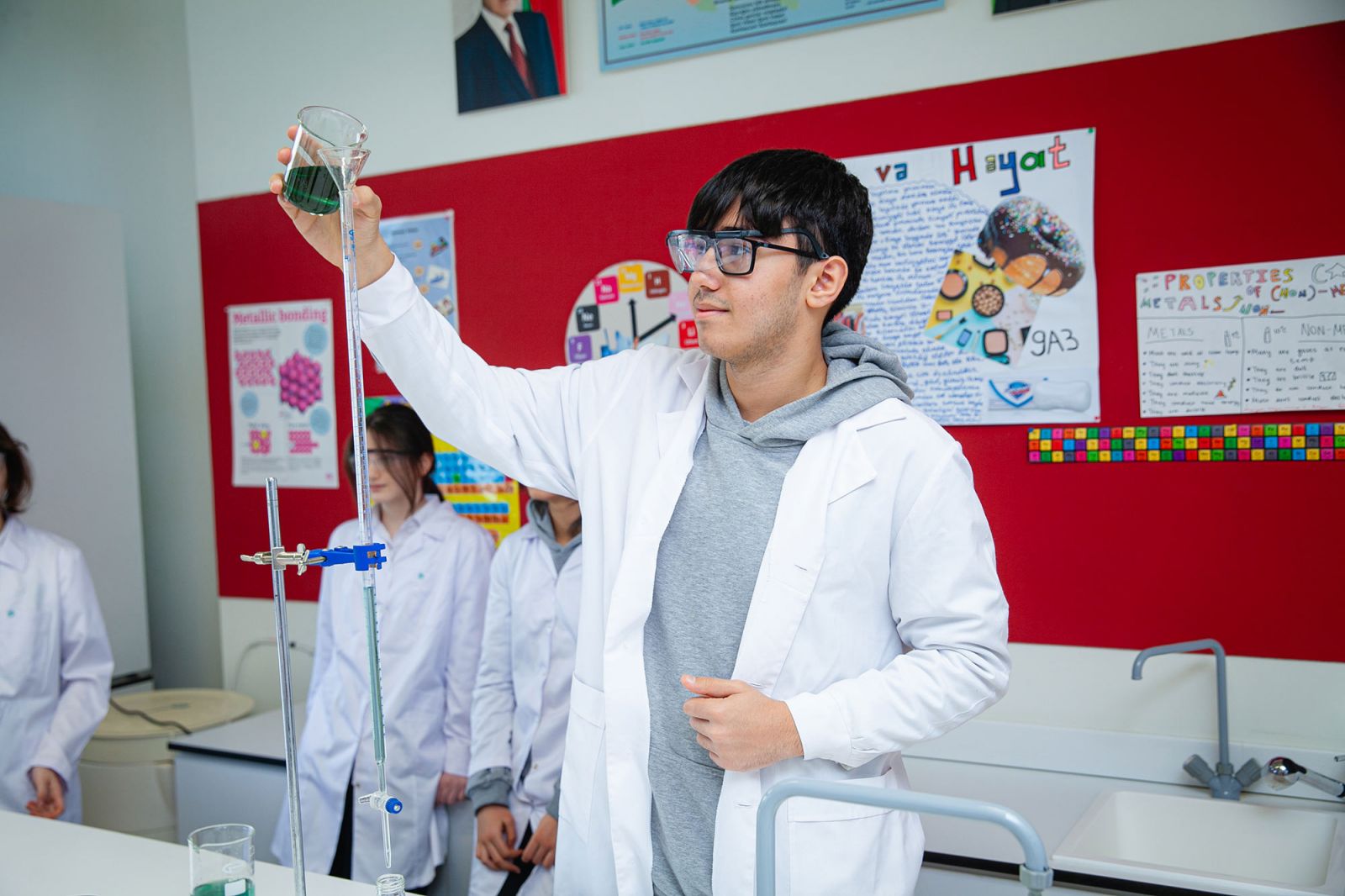
This approach ensures that high standards are reached in relation to literacy, reading and writing, numeracy and basic social skills while students also develop the vital 21st century skills of communication, collaboration and creativity. These skills are essential for personal and professional success in a fast-paced, ever-changing world. Opportunities for students to use computers and other devices and to decide on any issues are woven into the fabric of both the Curriculum and Extra-curricular activities. Students are taught 4 “English as a Foreign Language” lessons and also, Russian, French, German and Arabic as one of the optional Modern Foreign Languages (MFL).
Students studying on the basis of the National Curriculum have the option of selecting Azerbaijani Stream or Russian Stream.
Azerbaijani Stream: Students study in a healthy environment, communicating in Azerbaijani as the main language of instruction. Entrants to the Azerbaijani Stream are expected to possess a fluent command of reading, writing, speaking and listening in the Azerbaijani language. If the entrants have a high level of knowledge of Russian or English languages, they are recommended to study either in the Russian Stream or the International Stream.
Russian Stream: In the Russian Stream, students study in a healthy environment, communicating in Russian as the main language of instruction. Entrants to the Russian Stream are expected to possess a fluent command of reading, writing, speaking and listening in the Russian language. If the entrants have a high level of knowledge of Azerbaijani or English languages, they are recommended to study either in the Azerbaijani Stream or the International Stream.
Teaching approaches
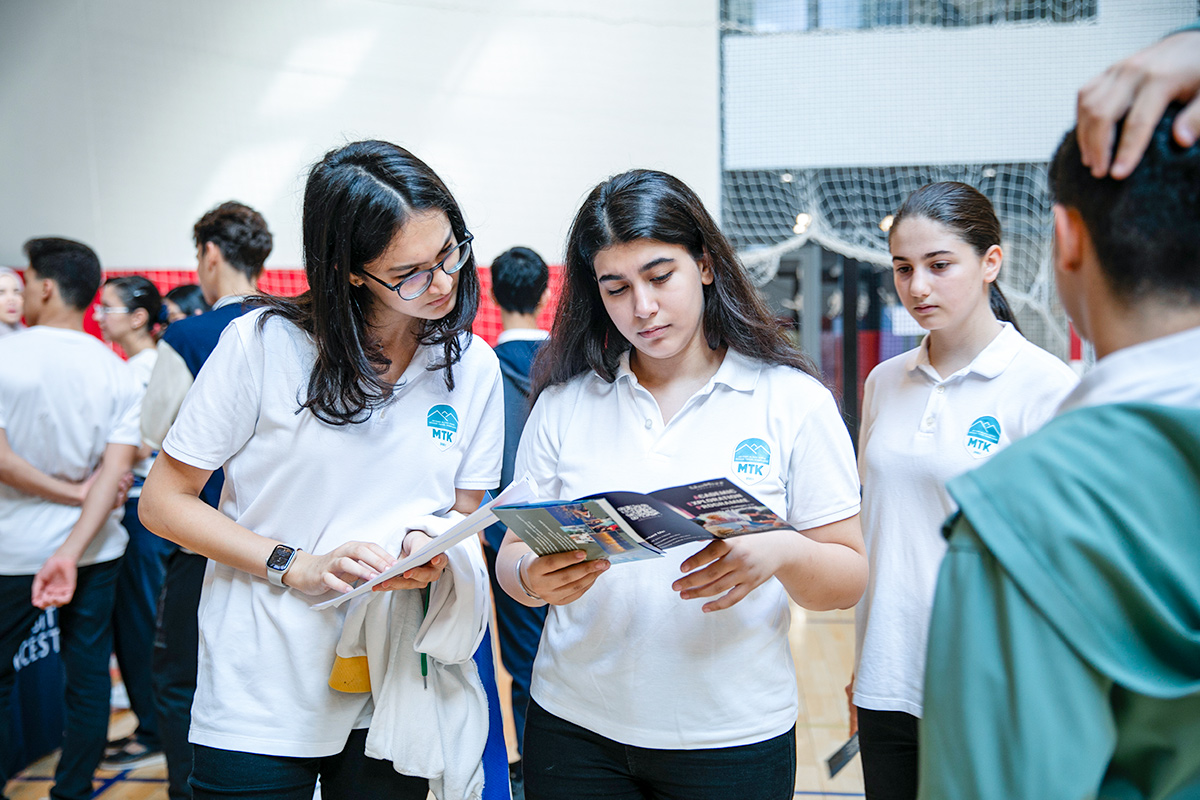
The educational process is based on modern methods and covers the National Curriculum, revealing the personal potential of each student and taking into account their individual, group and social environment. Prior to graduation, students are deeply involved in their school subjects and participate in school life as part of a socially active environment. In the upper secondary education, the students’ higher education is planned and the subjects in the profile directions are taught to them thoroughly. This approach provides ample opportunity for students to maintain a consistently high level of academic achievement and be a socially active person.
The Curriculum Subjects
Azerbaijani Language (Azerbaijani Stream)
Russian Language (Russian Stream)
Azerbaijani Language (as a State language for the Russian Stream)
Literature
Mathematics
English as a Second Language
Modern Foreign Languages (German, French, Russian or Arabic)
History
Azerbaijani History (History of Victory)
Biology
Chemistry
Physics
ICT/ Algorithmics
Geography
Physical Education (PE)
Pre-military Preparation
Assessing student progress
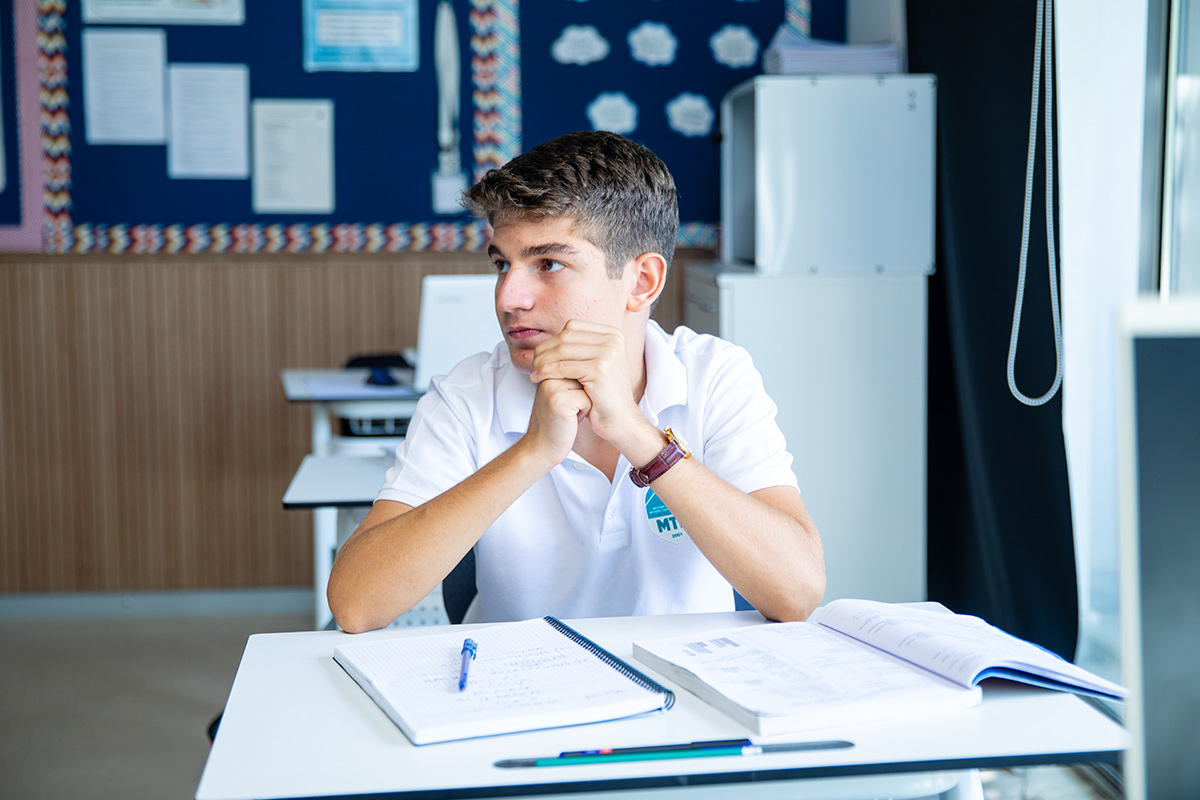
Students studying in the Azerbaijani and Russian Streams complete Summative National Examinations (BSQ) in each of the compulsory national curriculum subjects twice a year in accordance with the rules of Internal Assessment. At the end of each semester, in addition to the Summative National Examinations, in order to ascertain the depth of student knowledge and to analyze students’ progress, Subject-Based Assessment Tests and Trial Examinations are regularly organized for the students. This determines the level of students’ knowledge, skills and understanding in all of the secondary subjects, as well as their readiness to succeed in the Final Examinations administered in Grades 9 and 11. The variety of assessments that we use to track students’ progress in relation to both Azerbaijani and International curriculum objectives. Examinations and other forms of assessment are administered in an age-appropriate and positive way. The examination skills acquired by students create the basis for them to succeed in their further studies. In addition to these tests, in Grade 9 students complete compulsory national examinations in order to receive their “final examination of general secondary education” and in Grade 11 students complete compulsory national examinations in order to receive their “final examination of completed secondary education".
Exams
Students take a final exam at the end of the ninth grade, covering the general secondary education level, and at the end of the eleventh grade, covering the full secondary education level:
| Grade | Examination | Subjects | Aim |
| 9 | Graduation exam for general secondary education | • Azerbaijani language (Azerbaijani section) • Russian language (Russian section) • Azerbaijani language as the state language (Russian section) • Mathematics • Foreign language
| Conducted by the State Examination Center to obtain a document confirming the completion of compulsory education of students studying in the national curriculum - a Certificate of General Secondary Education |
| 11 | Graduation exam for full secondary education | • Azerbaijani language (Azerbaijani section) • Russian language (Russian section) • Azerbaijani language as the state language (Russian section) • Mathematics •Foreign language | Conducted by the State Examination Center to obtain a document confirming the completion of secondary education for students studying in the national curriculum - a Certificate of Secondary Education |
Why MTK’s High School is special?
The MTK Secondary School provides pupils with:
- High-quality teaching delivered by professional specialists;
- Organisation of engaging events and educational excursions in which parents can also participate regularly;
- A modern learning environment fully equipped with interactive boards in every classroom;
- Regular, high-quality feedback on students’ achievements provided both face-to-face and through the e-MTK journal;
- Individual attention to each student and development of their personal potential.
MTK graduates will possess full academic proficiency in at least two languages and most will achieve fluency in three or more. In addition, students are involved in a number of activities and projects, which give them ample opportunity to develop as socially active, internationally minded and professionally skilled people.